
Ten years in.
We’re still asking, “what if?”
For the last decade, we’ve been building, learning and growing Zahara into the company it is today. It hasn’t always been straightforward, and it certainly didn’t begin with a grand plan to transform accounts payable. But then, the best stories rarely do.
Zahara today
A decade of making things simpler.
- 0+Users worldwide
- 0+Countries reached
- 0 million+Invoices processed
- £0 billion+Spend processed
Before Zahara
It started with a lot of paper.
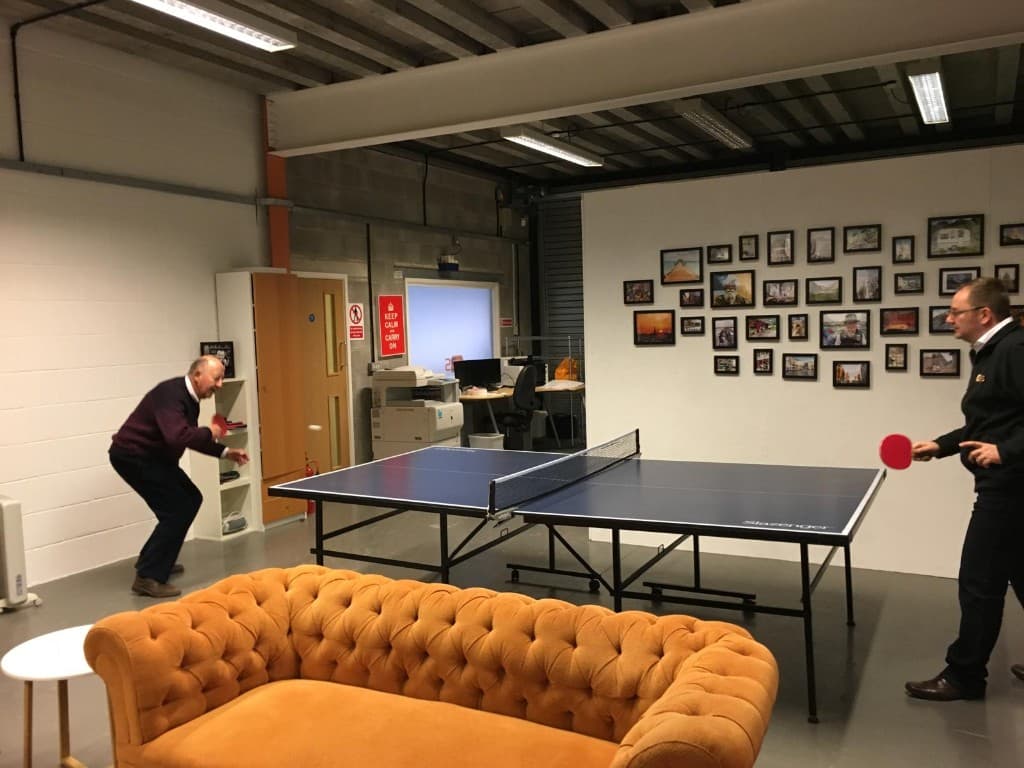
Before Zahara, Martin was running C2S, a document-management business in the English countryside. This was before phones could read QR codes and when OCR still felt like technology from the future. Back then, digitising paperwork meant dealing with it by the roomful, so C2S needed plenty of space.
Enough space, fortunately, for a ping pong table too.
Turning all that paper into searchable digital information gave Martin an early glimpse of how technology could simplify the way businesses worked.
Then, a customer visit in Essex
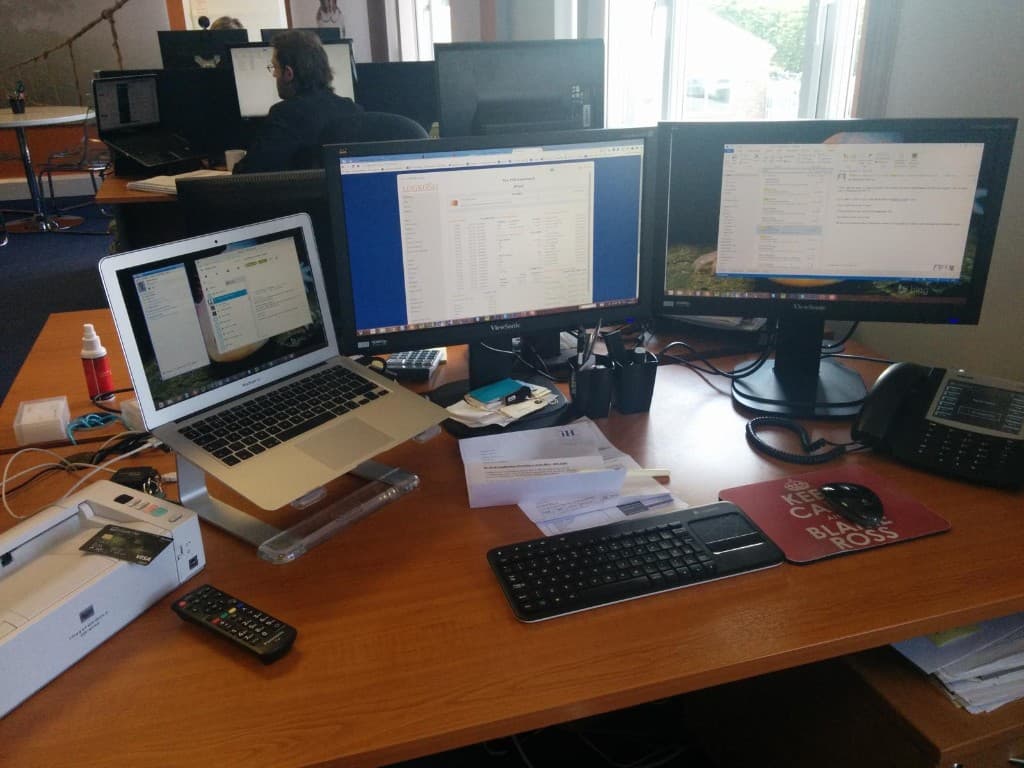
“I just want to know my budget and be able to place purchase orders easily.”
It wasn't a grand vision for the future of finance. Just a frustrated IT manager from Essex asking for something remarkably reasonable: to know what he could spend and place a purchase order without the usual complexity. It wasn't a document-management problem, but it gave Martin something to think about.
So Martin said…
“We should build our own software. How hard can it be?”
So, how hard was it?
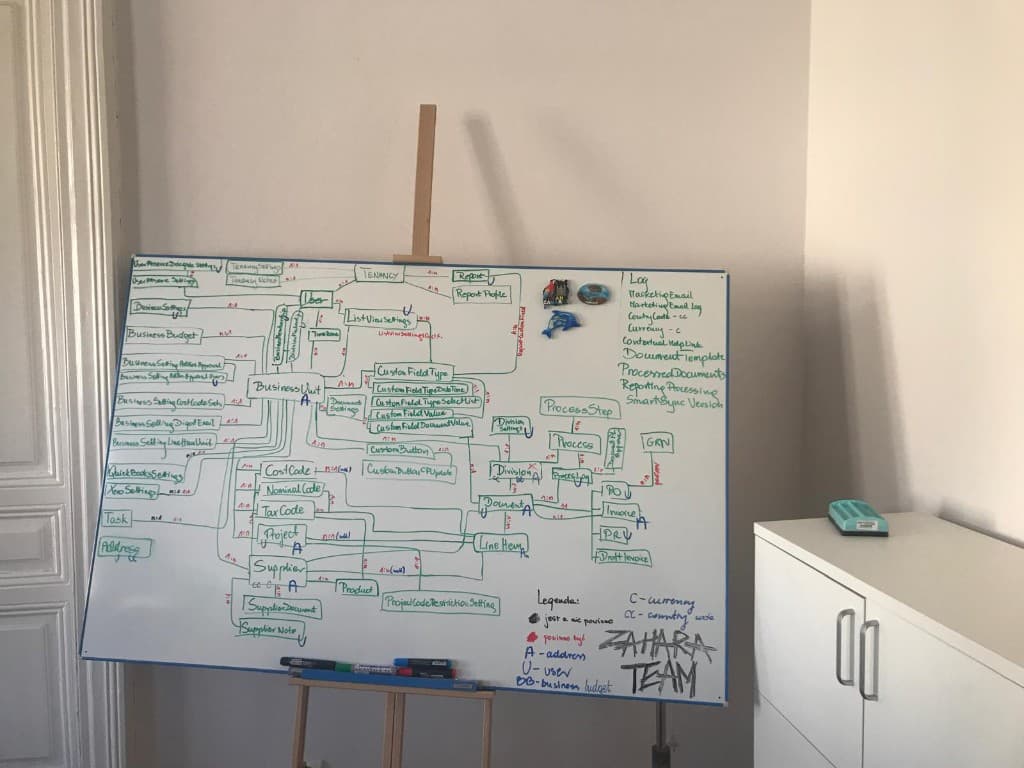
Turns out, simplicity isn't always simple.
Purchase orders were only the beginning. Behind them sat budgets, approvals and invoices, then payments, reconciliation and the finance systems connecting it all. As Zahara solved one problem, the opportunity to simplify the next became clear. Ten years on, that idea from Essex has grown into an AP automation platform used by businesses around the world. Making the complicated feel simple has kept us busy ever since.
From product to platform
The problem got bigger. So did Zahara.
Not four products bolted together. One process, from the moment somebody wants to spend money to the moment the payment reconciles.
2016
Purchase
Requests and orders, checked against budget before money is committed.
2017
Process
Invoices captured, read, coded and matched to the order and the receipt.
2023
Pay
Scheduled payment runs, multi-currency, posted back to the finance system.
2026
Expense
AI Expenses launched as a dedicated platform for employee spend.
A name picked up along the way
For Martin, Zahara is a name wrapped up in nostalgia. When his boys were young, most summers meant driving through Spain to visit friends. Along the way, he collected the names of places they passed, never knowing one would eventually become the name of something he had yet to build.
Zahara de la Sierra, a Moorish town in the hills of Andalusia, was the one that stuck.
Someone later told us that Zahara means to blossom in Swahili. It was a happy coincidence, but one that seemed to fit. After all, Zahara has always been about making things a little better, then doing it again.
Martin still returns to Zahara when he can, sometimes with one of his sons. The family car has since been swapped for two motorbikes, but the journey still means much the same.
Would he choose a name beginning with Z again? Probably not. But we’re rather glad he did.
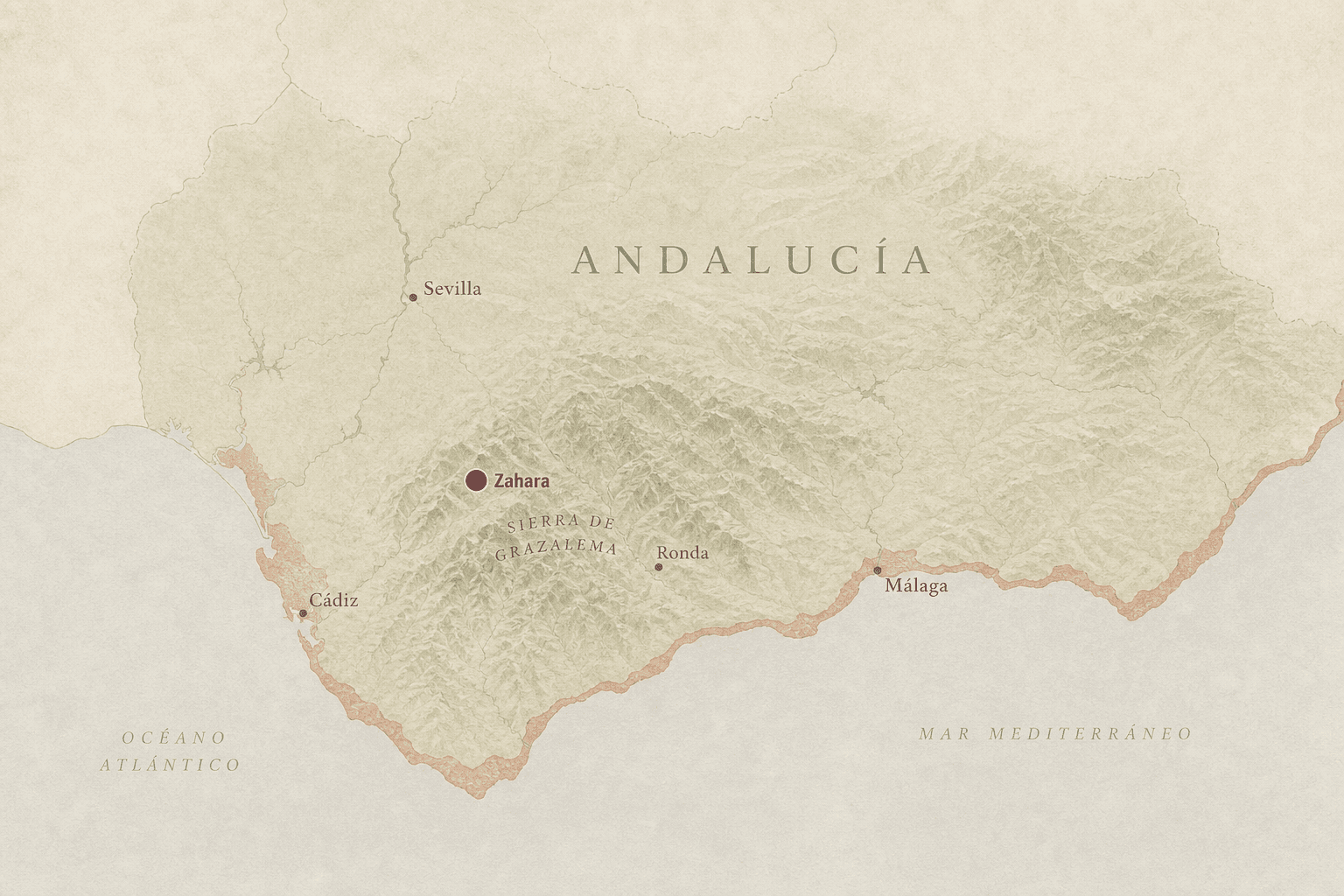
Zahara de la Sierra, Andalusia

In practice
Ten years of other people’s month ends.
British Airways HolidaysCustomer since 2017
Greater control over spending.
Read the story“I'm really pleased with how easy it is to approve costs using Zahara. The software has helped us control our spending.”
Claire Bentley, Managing Director
The next chapter
The first ten years were about automating AP.The next are about making it autonomous.
- Invoice received
- Understood
- Coded
- Matched
- Approved
- Paid
- Reconciled
Times you had to intervene7
But our mission hasn’t changed.
To make beautiful software finance teams love to use.
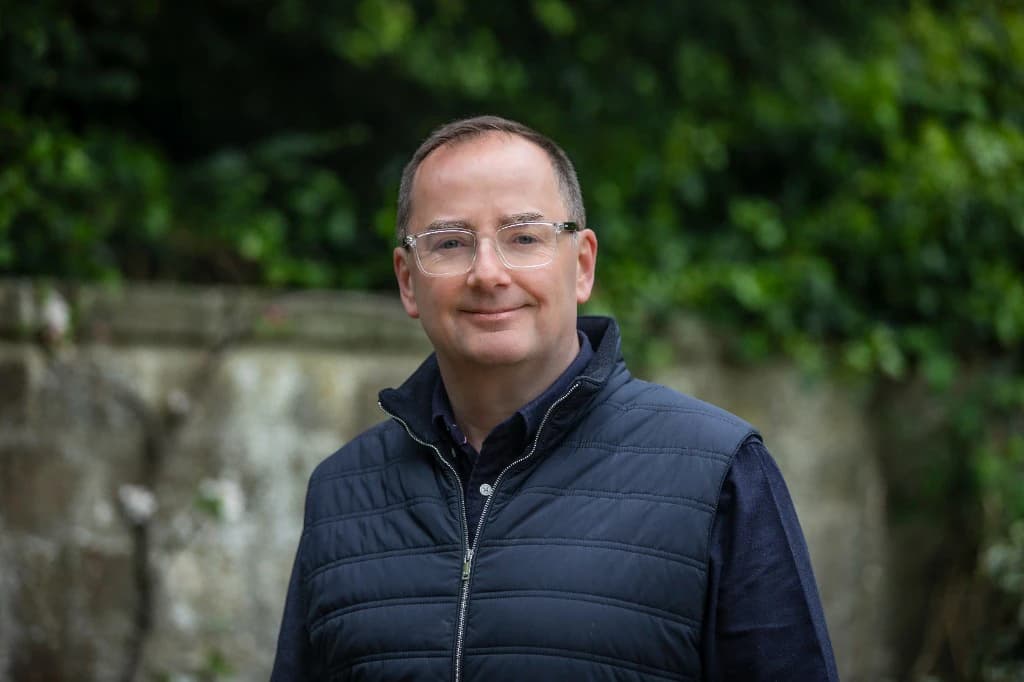
A note from Martin
Ten years ago, “what if?” was the question that got us started. It made us challenge the way things were done and imagine something better.
A lot has changed since then. Technology is moving faster, expectations are higher, and things that once felt impossible are becoming ordinary remarkably quickly.
So we still ask “what if?”. But increasingly, we have to ask something else too: what’s next, and what will tomorrow expect from us?
For me, that means never getting too comfortable with what we’ve already built. Looking further ahead, staying curious and being prepared to change our thinking as quickly as the world around us changes.
Ten years in, I’m proud of how far we’ve come. I’m far more excited about where we go next.