Insights, guides, and explainers from our AP experts — covering everything from processes and best practice to automation and controls.

Understand the documents, checks and exceptions involved in three way matching, with a partial delivery example and comparison table.
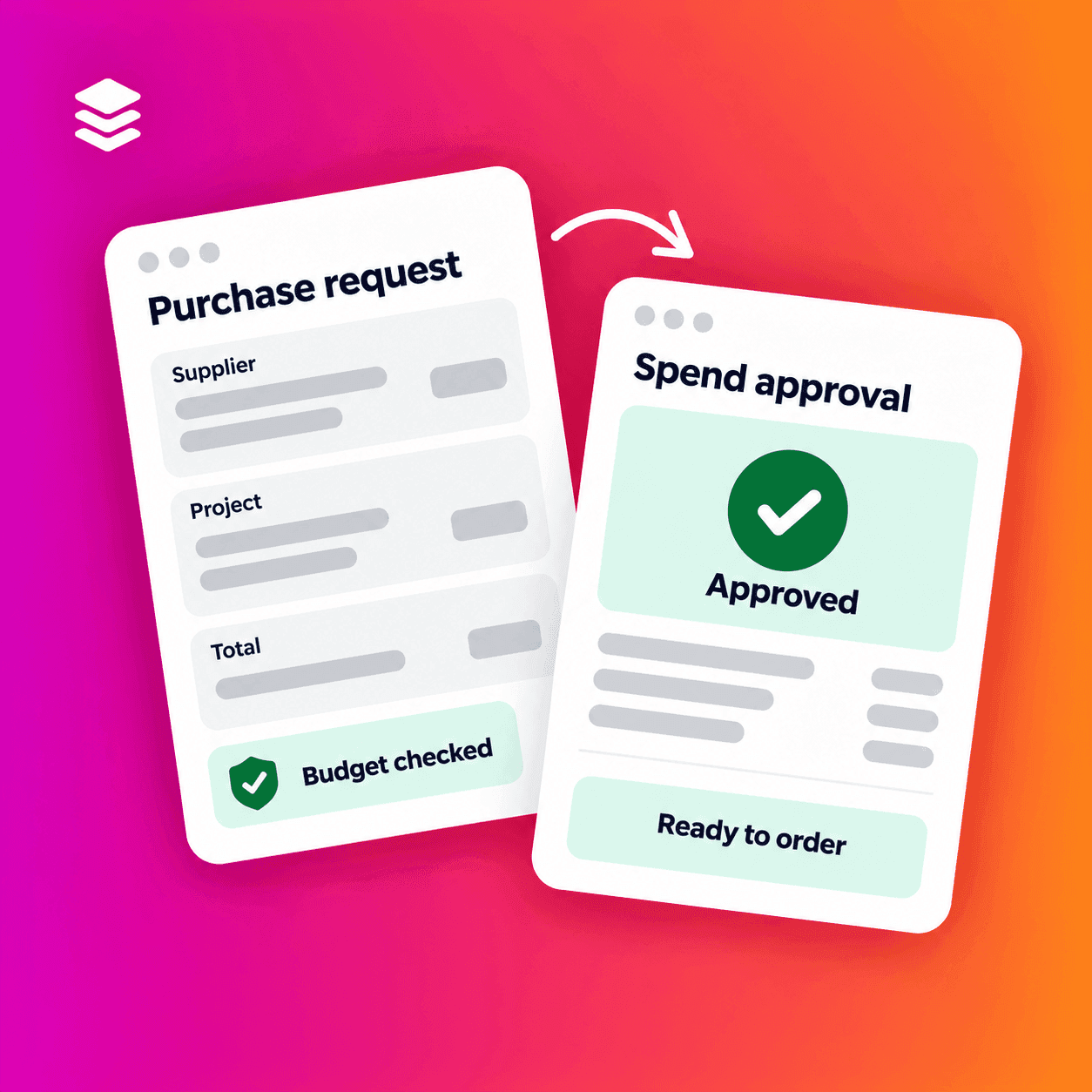
Set clear approval rules so purchases reach the right person, with the information needed to check costs and budgets.

Need supplies with long lead times, like construction materials or medicine? Planned purchase orders are essential. Here's why — plus a free template.
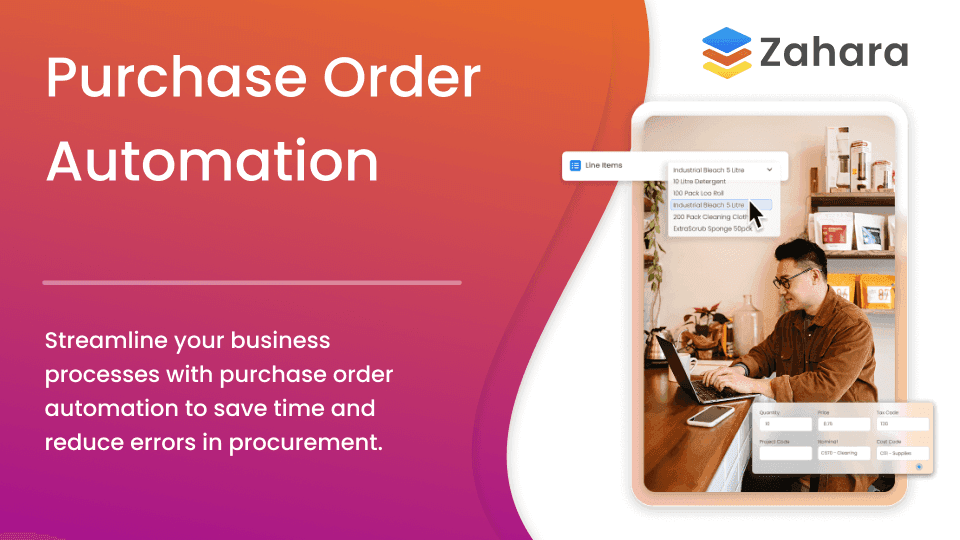
Purchase order automation is what Zahara is all about: cutting the manual work that slows you down for a watertight operation. Here's how — kept short.

Choosing accounting software is a big decision for any non-profit. This thorough guide answers the questions you're likely asking as you start from scratch.
From budget control to fraud prevention, discover how PO approvals protect your business and speed up invoice processing.

Discover how invoice approval automation reduces delays, improves accuracy, and gives finance teams greater control over AP workflows.

Why waiting to automate accounts payable costs small businesses time, money and supplier trust — and how to know when it's time to invest.

Where does AP fraud hide, and how can automation shut it down? A practical guide for finance teams weighing up digitalisation.

A Goods Received Note (GRN) is a cornerstone of accounts payable — and it matters even more once you've automated your AP.

Purchase order management brings structure to procurement — approvals, sign-off limits, and audit trails that stop rogue spending before it happens.

Chasing approvals over email? Automated AP workflows put the right invoice in front of the right person, every time. Here's how to get yours right.

Why the sums always seem to work when you really want something — and why every business needs a "Louise" to check purchase requests before Man Maths wins.
Purchase requisition vs purchase order: two similar-sounding terms, two different jobs. Here's what sets them apart, what goes on each, and when to use them.
