
Businesses run better when their purchasing process is healthy. A strong PO system keeps everything moving — requests, approvals, budgets, and supplier control working together. When that system breaks down, purchasing slows. Approvals stall. Spending becomes harder to manage.
This guide explains what to look for in the best PO system, how different solutions compare, and which types of organisations benefit most from each approach.
How We Evaluate the Best PO System
Not every purchase order system solves the same problems. The best PO system depends on how your organisation buys, approves, and controls spend.
We evaluated PO systems based on:
- Ease of use for non-finance teams
- Approval workflow flexibility
- Budget visibility and controls
- Supplier and catalogue management
- Integration with accounting systems
- Reporting and audit trails
- Total cost of ownership
The sections below explain what to look for and how different PO systems support these needs.
What Makes the Best PO System?
The best PO system gives organisations control without slowing teams down.
At a minimum, it should:
- Standardise purchase requests across the business
- Enforce approval rules automatically
- Prevent off-contract or unapproved spend
- Show budget impact before money is committed
- Integrate with your finance system
- Be simple enough for everyday users
Systems that rely on spreadsheets, emails, or manual checks often struggle as organisations grow. Modern PO systems replace these workarounds with structured workflows and real-time visibility. The strongest solutions balance control with usability — unlike ERP modules that can be powerful but difficult for non-finance users.
The Health Check: What a “Healthy PO System” Looks Like
Borrowing from procurement best practice, a healthy PO system works like a well-functioning body.
Clear pathways
Requests move smoothly from team to approver to supplier.
Strong visibility
You can see what’s been requested, approved, ordered, and received.
Consistent habits
Teams follow a repeatable, documented process.
Reliable suppliers
Supplier lists are clean, approved, and controlled.
Good financial fitness
Budgets stay on track, with early visibility for finance teams.
A healthy PO system supports these principles through automation, visibility, and consistent processes.
Automated vs Manual PO Process
Automated PO systems reduce approval delays, improve auditability, and give finance teams real-time visibility into spend. Manual processes rely heavily on human intervention, increasing the risk of errors, bottlenecks, and unplanned spending.
A Good PO System Should Be Simple
Simplicity often determines whether a PO system gets used or bypassed. If the process feels complicated, teams revert to emails or spreadsheets.
A good PO system should be easy to understand from day one, with minimal setup and clear workflows. Buyers and approvers should be able to submit and review requests without long training sessions.
Zahara is designed with quick adoption in mind. Teams benefit from:
- A clean, intuitive layout
- Fast setup
- Helpful videos and guides
- Optional onboarding and training
This approach allows organisations to introduce stronger controls without adding friction.
Best Purchase Order Software Compared
Different PO systems suit different organisations. Some focus on enterprise procurement teams, others on finance departments, and some on everyday buyers across the business.
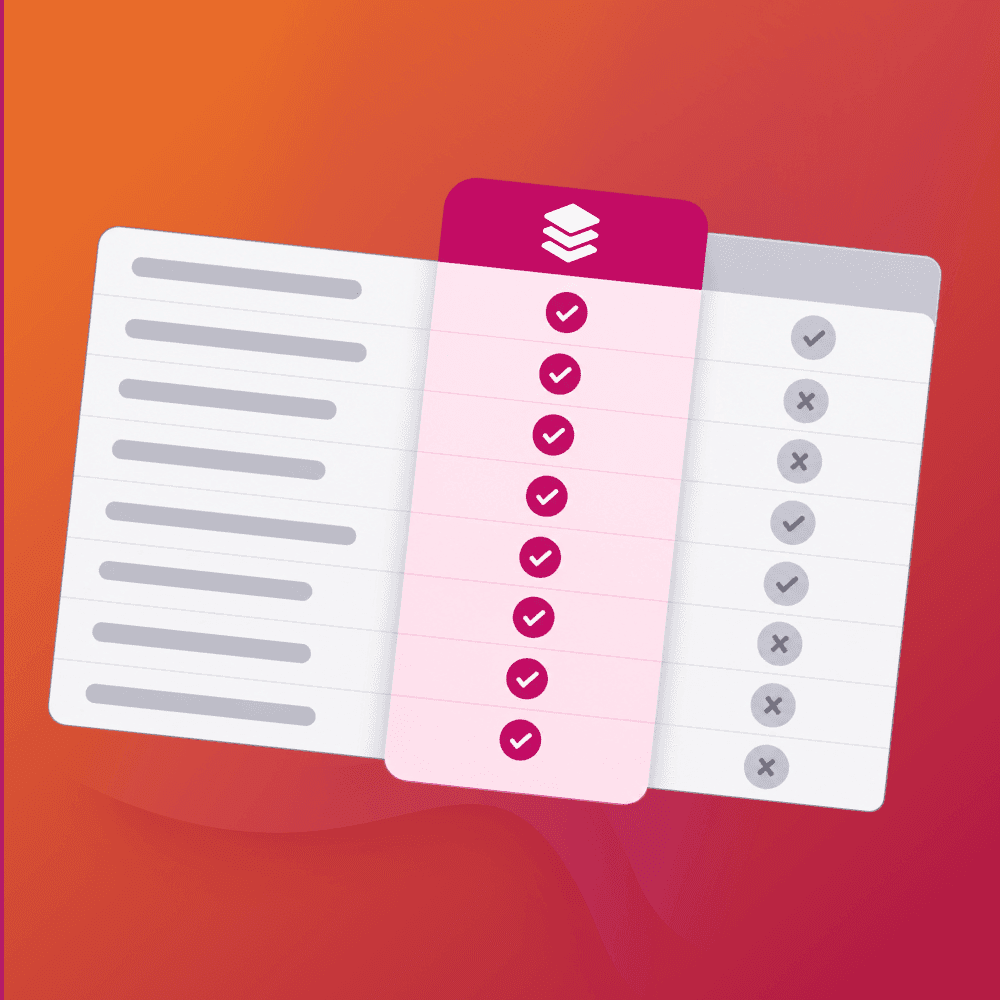
When comparing PO software, look beyond feature lists. Consider who will actually use the system, how approvals work in practice, and how easily the software adapts as your organisation grows. The comparison below focuses on usability, approval flexibility, visibility, integrations, and suitability for different organisation sizes.
Best PO System for Small Businesses
Small businesses need purchase order software that is easy to adopt, transparent, and cost-effective. Most do not have dedicated procurement teams, so systems must work for everyday users without extensive training.
The best PO systems for small businesses should:
- Require minimal setup and configuration
- Offer intuitive request and approval interfaces
- Provide visibility into spend without added complexity
- Integrate with common accounting systems such as QuickBooks or Xero
For small teams, a PO system is most valuable when it replaces spreadsheets and email chains. It allows owners and managers to approve purchases quickly and gives finance confidence that budgets are respected. Solutions that scale gradually, with clear pricing, tend to work best as businesses grow.
Zahara’s workflow builder and onboarding approach make it well-suited to small organisations looking to replace manual processes without adding complexity.
Learn more in our guide to PO Systems for Small Businesses.
Best PO System for Growing Finance Teams
Finance teams in growing organisations face increasing request volumes, more approvers, and greater pressure to consistently enforce purchasing policies.
A strong PO system for this stage should provide:
- Custom approval workflows based on value, department, or project
- Real-time budget tracking to prevent overspend
- Audit trails and reporting for compliance and forecasting
- Integration with accounting or ERP systems such as Dynamics 365 or QuickBooks
Automation reduces bottlenecks and manual errors, while configurable workflows allow finance teams to adapt processes as the organisation evolves. The strongest systems also offer dashboards and reporting that support better decision-making without requiring manual reconciliation.
Best PO System for Multi-Entity Organisations
Multi-entity organisations — including those with multiple departments, locations, or subsidiaries — require PO systems that provide segmented control without losing central oversight.
The best PO systems for multi-entity environments support:
- Entity-specific workflows and budget boundaries
- Centralised policies with decentralised execution
- Multi-currency and multi-location operations
- Role-based permissions and delegation
- Consolidated reporting across entities
These capabilities allow organisations to enforce consistent purchasing rules while giving local teams the flexibility they need. Strong audit trails and reporting help finance leaders manage complexity and meet compliance requirements.
Supplier and Product List Management
A strong PO system should help organisations control suppliers without restricting purchasing teams.
With Zahara, organisations can:
- Disable unused suppliers
- Categorise supplier types
- Import product catalogues
- Ensure teams use approved suppliers and pricing
This keeps purchasing consistent and reduces unnecessary costs.
How Budgets Keep Spending on Track
Effective PO systems show budget impact before money is committed. This visibility helps teams make better decisions and prevents overspend.
Zahara allows budgets to be set for:
- Departments
- Projects
- Cost centres
- Teams
Every request displays the remaining budget in real-time. Approvers can act quickly, and alerts highlight potential overspend before it happens.
Approval Workflows That Move Things Forward
Approvals should keep purchasing moving, not slow it down.
Modern PO systems support flexible approval workflows that adapt to how organisations operate. Zahara allows teams to build workflows without coding, based on:
- Value
- Supplier
- Project
- Team
- Budget status
Single or group approvals, rules for high-value items, automated PO sending, and delegation for holidays all help prevent bottlenecks.
Staff Expenses and Instant Payments
Some PO systems also extend into staff expenses and payments.
With Zahara, employees submit expense claims via the mobile app. Approvers review them quickly, and if Zahara Payments is enabled, approved claims can be paid instantly. This creates a consistent purchase-to-pay workflow, from purchase order to invoice processing to payment.
For more details, explore:
Healthy PO System Checklist
Use this checklist to see how your current system compares.
If your current process misses several of these, it may be time to review your PO system with an expert.
Full Visibility: What Zahara Covers (and What It Doesn’t)
| Capability | Zahara |
|---|---|
| Supplier sourcing | ✗ |
| Supplier selection / tendering | ✗ |
| Contract management | ✗ |
| Purchase order creation | ✓ |
| Approval workflows | ✓ |
| Budget controls | ✓ |
| Approved supplier enforcement (within PO process) | ✓ |
| Invoice processing | ✓ |
| Invoice to PO matching | ✓ |
| Automated payment runs | ✓ |
| Expense management | ✓ |
| End-to-end procurement platform | ✗ |
Final Thoughts
A healthy PO system keeps organisations running smoothly — with fewer delays, better visibility, and stronger purchasing control. The best systems balance structure with usability, helping teams follow the process without slowing them down.
Last updated: January 2026